The Connection Between Diabetes and Nerve Damage in Your Feet and Lower Legs
Nov 06, 2026
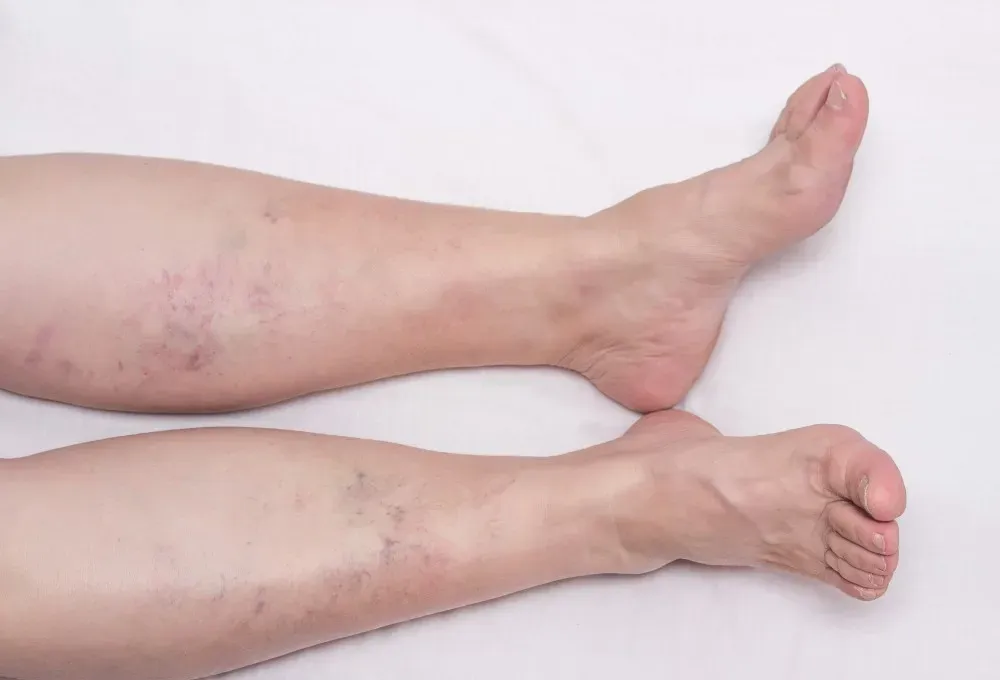
One of the biggest concerns for people with diabetes is nerve damage, or peripheral neuropathy. Given that this condition can lead to amputation, it’s important to understand it.
A diabetes diagnosis is just the start of what can be a bumpy health journey given all the complications associated with the chronic illness. From gum disease to nerve damage in your lower legs and feet, diabetes can cast a very wide net.
When it comes to the effects that diabetes can have on your lower limbs, peripheral neuropathy (PN) is a big one — it affects up to half of people with the disease. This side effect can also set the stage for amputation, so it’s well worth learning what you can about PN.
Given that November is National Diabetes Month, our experienced team of multi-speciality providers at LaSante Health Center presents some key information on peripheral neuropathy here.
Diabetes and nerve damage
When you have diabetes, and more than 40 million Americans can check this box, levels of glucose in your blood are unregulated due to insulin resistance and your body’s inability to produce enough insulin to overcome the resistance.
As a result, you can have dangerously high levels of blood sugar, which can damage blood vessels, especially the more fragile ones that provide nutrients and oxygen to your peripheral nerves.
This effect is magnified in areas where your nerves are farthest from your heart, namely your lower and upper extremities. This distance means that blood has a harder time circulating in your extremities, which is why PN tends to strike the feet and lower legs, and sometimes the hands.
Why diabetic nerve damage is so concerning
If you think that peripheral neuropathy isn’t a problem, think again. For starters, PN can make your life fairly miserable due to discomfort in your feet.
More serious is the reality that these symptoms can mask damage in your feet, damage that can quickly turn the corner into limb-threatening infections.
By the numbers, about 1.6 million Americans develop diabetic foot ulcers each year and more than half of these ulcers become infected. When infection sets in, healing becomes far more difficult, making amputation a clear and present danger. About 80% of lower leg amputations in the US are due to complications from diabetes and PN.
Early signs of peripheral neuropathy
As with most health conditions, early intervention is beneficial, and this certainly holds true for PN. The early signs of peripheral neuropathy include:
- Numbness
- Tingling
- Pain, often described as shooting or stabbing
- Weakness
If you’re experiencing any of these symptoms in your feet (or hands), we want you to come see us right away so we can take preventive action. With proper control of your diabetes, we can not only halt the nerve damage, but reverse it in some cases.
Even if we can’t reverse the neuropathy, we can work toward preventing diabetic foot ulcers.
If you suspect you have peripheral neuropathy, please don’t wait to come see us. You can call our Brooklyn, New York, clinic or use our online booking tool to set up an appointment. You can also visit our clinic during our hours of operation.
Our team proudly serves the Flatbush and East Flatbush, Crown Heights, Park Slope, Little Haiti, Little Caribbean, and Prospect Lefferts Gardens communities.